
Lupita Vásquez Fabela

Chemist · Creative Technologist

Exploring applied philosophical pragmatism in tech.
Currently working on orchestration layers of "working memory"
for LLM-powered web applications.

MFA Design & Technology — Parsons School of Design
BSc Chemistry — UNAM (Universidad Nacional Autónoma de México, Facultad de Química)

Portrait of Lupita Vásquez Fabela

Lupita Vásquez Fabela

Chemist and creative technologist working at the intersection of design, computation, and philosophy. Interested in applied pragmatism, orchestration layers, and human-centered systems for LLM-powered applications.

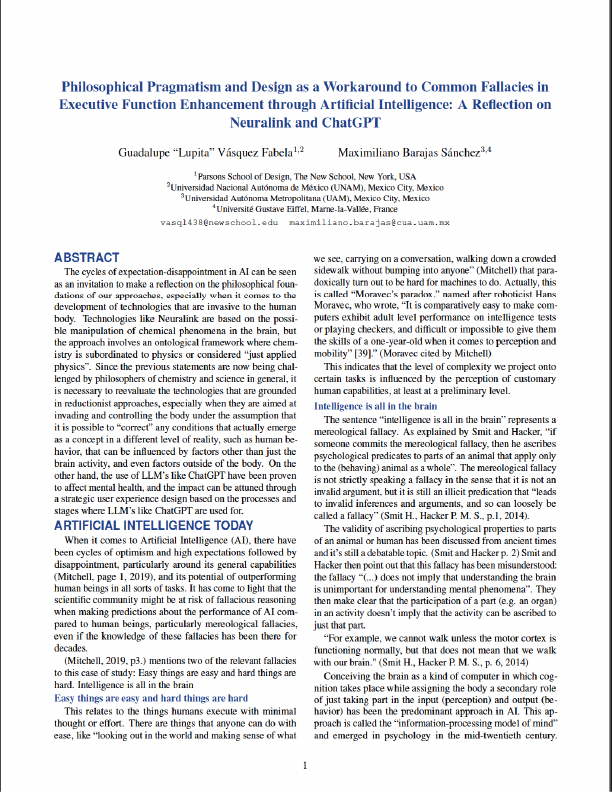
Curriculum Vitae Open PDF

Design for Accessibility

BIG FROOTS

BIG FROOTS is a nonprofit building conscious digital tech that breaks barriers, fosters creativity, and supports wellbeing — for children and adults of all abilities. These two projects explore how accessibility-first design, haptic feedback, and responsible AI can reduce cognitive load and open new pathways for learning and therapy.

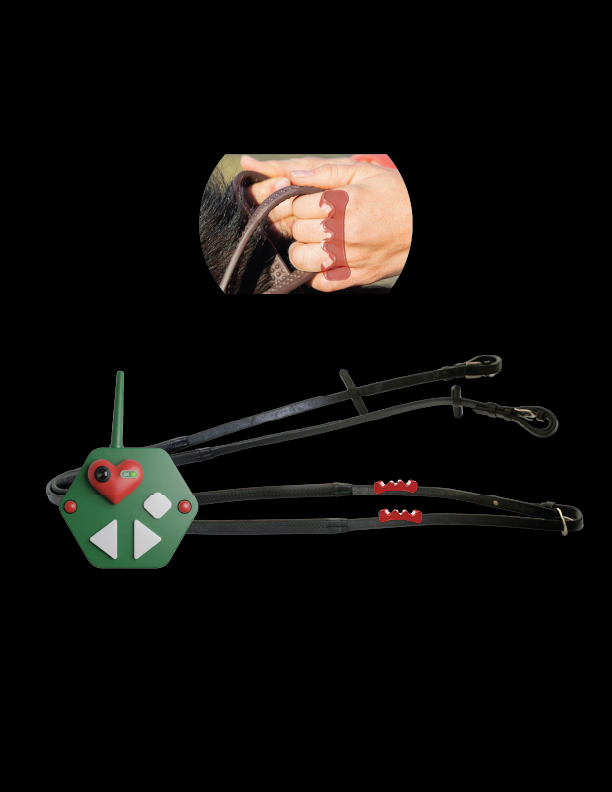
ReinGuide — digital reins for horse-riding therapy
Therapy Tech · 2024

ReinGuide

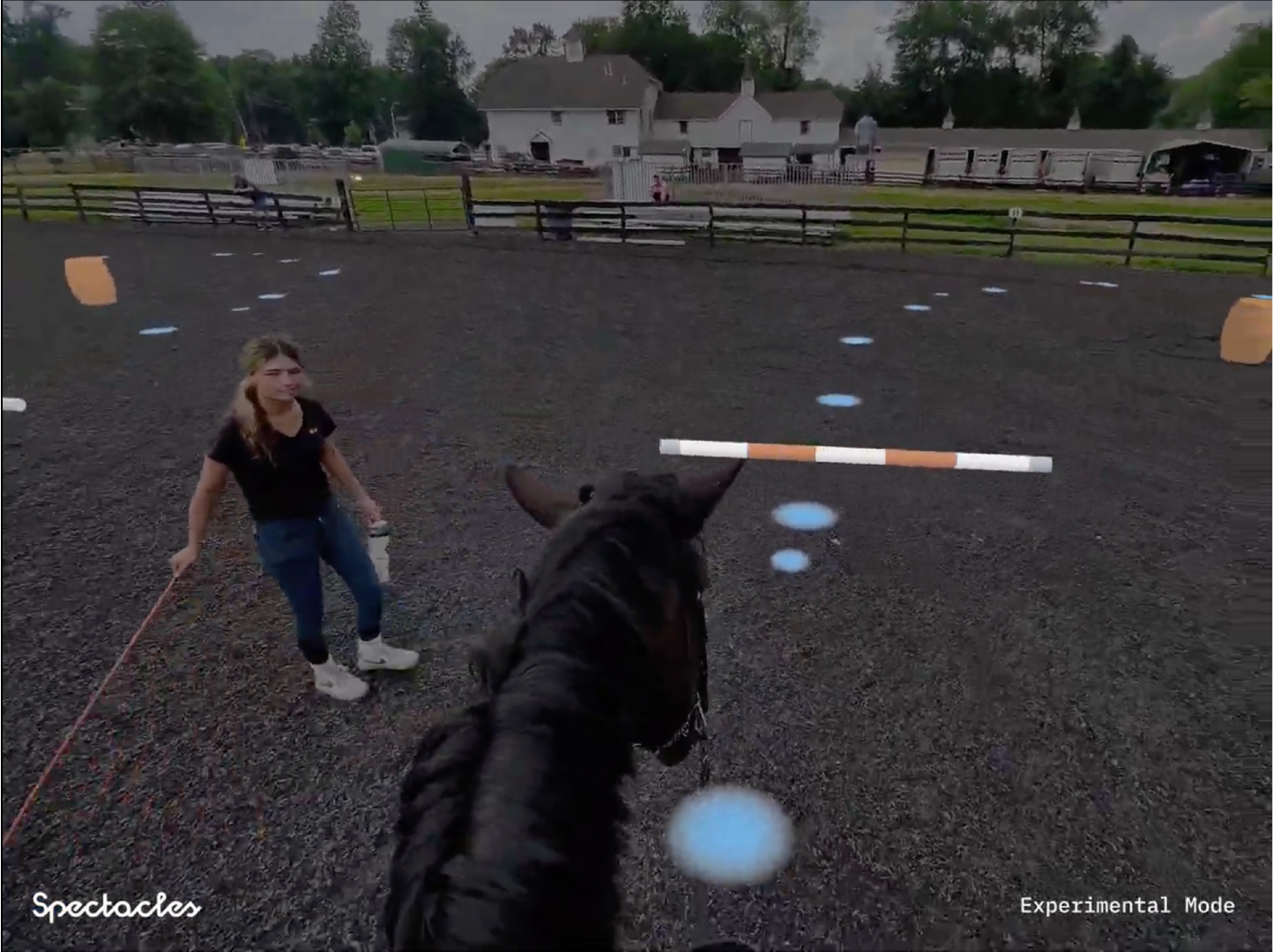
Smart digital reins with gentle haptic feedback — designed to enhance inclusive horse-riding therapy for nonverbal children on the spectrum. Tactile cues replace verbal instruction, creating a calmer, more supportive therapeutic environment.

Learn more
AI Learning · 2025

BiGGi — AI Coding Agent

An AI agent with a lightweight interface that helps users learn to code in structured, manageable chunks — reducing cognitive overload while building genuine comprehension. Designed for cognitive accessibility beyond conventional chatbots.

Learn more

Visual Art

Crystallization and Dissolution, Accelerated

Using polarized light microscopy, sodium chloride, magnesium sulfate, sodium bicarbonate, and monoammonium phosphate were recorded over 10+ hours of crystallization and dissolution. Accelerated, the hidden choreography of light and matter is revealed — where scientific observation meets visual poetry.

See more…

Goya's Los Caprichos, Animated

An animation of Francisco Goya's El sueño de la razón produce monstruos — Plate 43 from Los Caprichos (1799). The sleeping figure, the owls, the bats: brought into uneasy motion.

See more…

BiGGi — Generative Visuals

Generative animations produced by BiGGi, an AI coding agent for p5.js. Each piece is generated through structured, human-guided AI prompts — exploring the boundary between algorithmic authorship and intentional design.

See more…
Item Collector Adventure — home screen background
Tap to Play

Item Collector Adventure

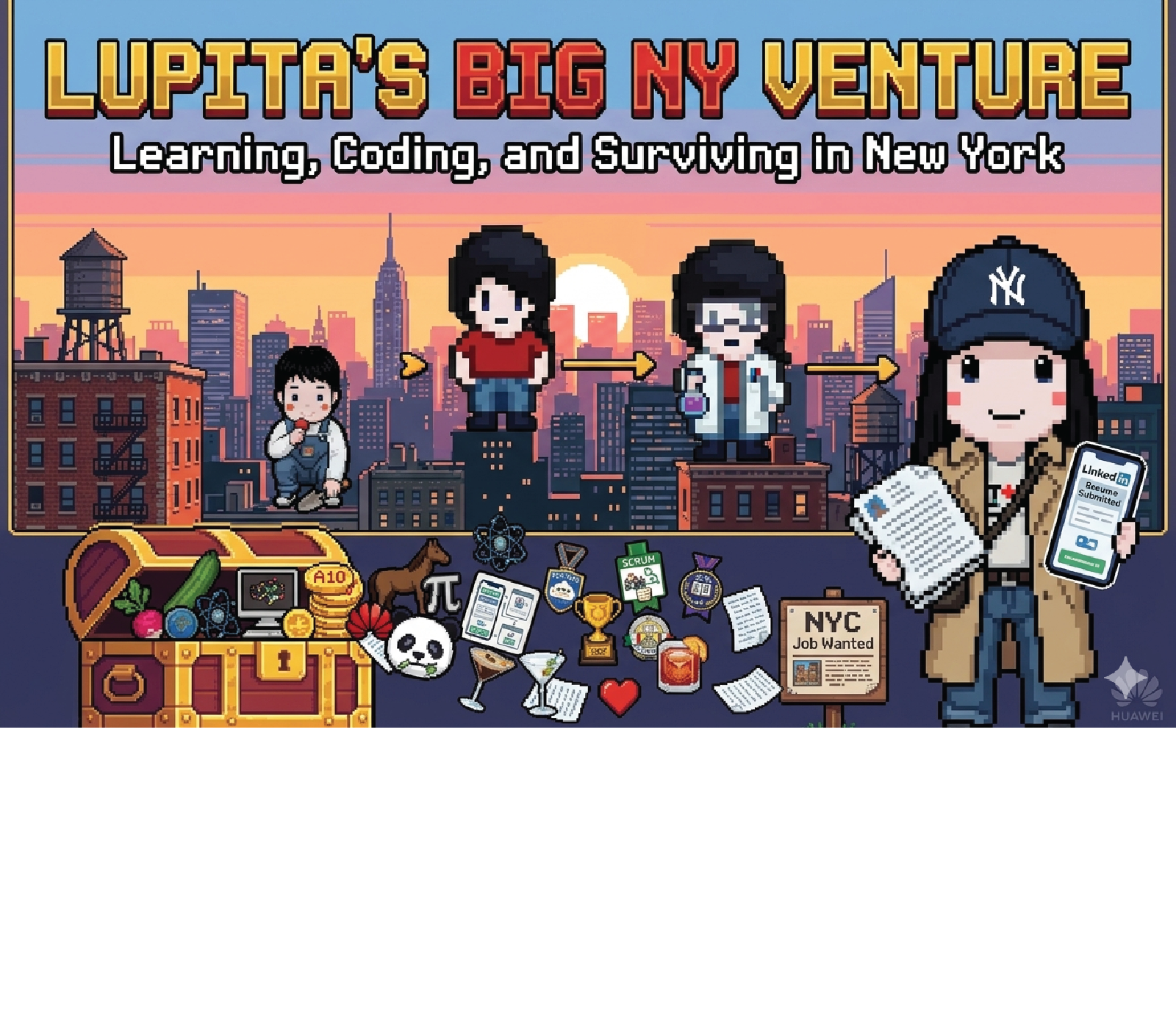
An autobiographical maze game built with p5.js — six levels, each a chapter of a life: childhood on a farm, high school, undergraduate chemistry, professional life, a sabbatical in China, and graduate school in New York City. Each level asks you to collect artifacts that mark that period, navigating procedurally generated labyrinths with original music and sound design. The final level adds roaming $25 cocktails as enemies — a love letter to the absurdity of NYC.

Character sprites, item illustrations, and backgrounds were generated with Nano Banana, then hand-curated to fit the game's autobiographical tone.

Eleva

Mission-driven consultancy

Eleva is a service design consultancy specializing in infrastructure for academic and professional work assisted by LLMs — with a focus on cognitive accessibility and social impact. It explores orchestration layers of "working memory" that sit between human interfaces and language models, reducing computational waste while opening AI-assisted work to neurodivergent users.

Standard chat-based interfaces scale quadratically with context length: as conversations grow, so do token counts, energy costs, and cognitive load. Eleva proposes a middleware layer that externalizes, structures, and minimizes context — making AI systems more efficient, more inclusive, and more legible to the people who use them.

Social impact

Interfaces that respect attention, memory, and neurodiversity — reducing energy demands through computational efficiency.

Technological innovation

Grounded philosophy translated into usable systems: "working memory" layers for LLM agents, designed through interdisciplinary systems thinking.

Business value

Helping clients optimize costs and seize incentives around the development of technologies that provide cognitive accessibility.

Business Value Social Impact Tech Innovation Eleva
Ongoing Research

Research

Two active projects examining the intersection of cognitive accessibility, LLM orchestration, and human-centered design — one grounding the work in haptic interaction for inclusive therapy, the other building the formal and empirical case for memory-aware coding assistants.

Therapy Tech Haptics Accessibility · 2024–2025

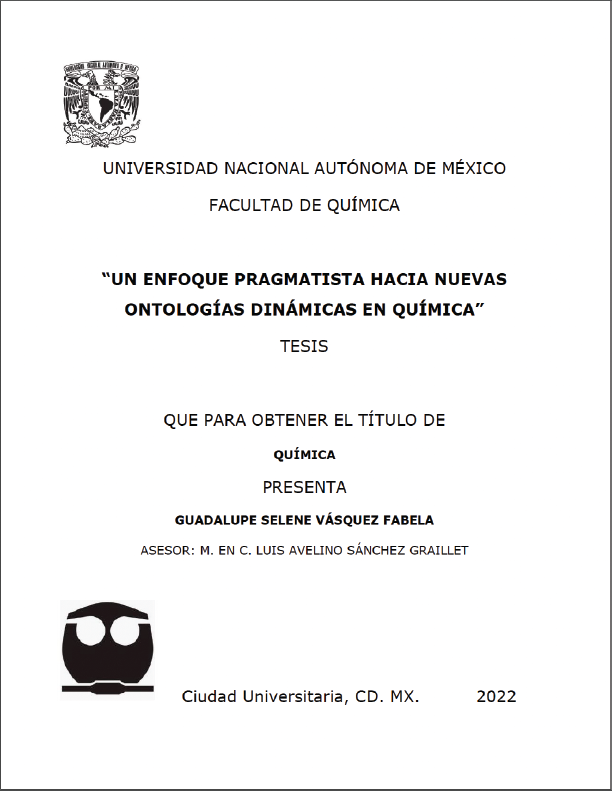
ReinGuide — Smart Haptic Reins for Inclusive Horse-Riding Therapy

This thesis documents the design, prototyping, and evaluation of ReinGuide: a system of digital reins that deliver gentle haptic cues as a substitute for verbal instruction during equine-assisted therapy sessions. The work is grounded in a broader framework developed through BIG FROOTS — a nonprofit building conscious digital technology for people of all abilities.

The research addresses a critical gap: nonverbal and autistic children often struggle in conventional riding therapy environments where instructors rely on spoken commands. ReinGuide translates directional guidance into low-intensity vibrotactile signals, creating a calmer, more legible interface between rider, reins, and therapeutic intent.

LLM Orchestration Cognitive Accessibility HCI · 2026

Designing a Cognitively Accessible Coding Assistant with Memory-Aware LLM Orchestration

This research proposal introduces a structured memory orchestration (SMO) layer for LLM-based coding assistants, aimed at reducing both computational waste and cognitive load in beginner programming workflows.

Standard chat interfaces re-inject full conversational history at each turn, producing quadratic token growth — with cumulative costs scaling as O(n²). The proposed system replaces this with a bounded, state-aware representation of the evolving codebase. Currently in pilot study phase (Month 4).

Publications